
Dishwasher Not Cleaning Dishes? Troubleshooting & Fixes
- MasterFix

- Aug 1, 2025
- 4 min read
Updated: Aug 17, 2025
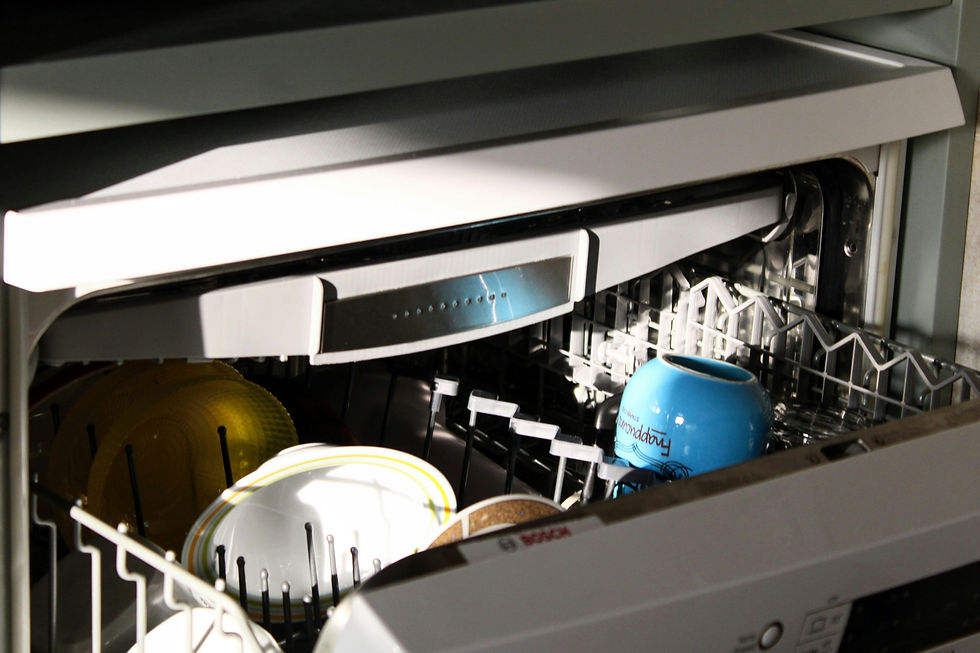
Dishwasher Not Cleaning Dishes? Here’s What to Do
A dishwasher that fails to clean your dishes properly can quickly turn from a time-saver to a hassle. Instead of easing your workload, it creates more—forcing you to rewash by hand and potentially raising your water bill.
If you're noticing spots, food residue, or a cloudy film on your plates and glasses, don’t worry—many of the most common issues are simple to fix. This guide will walk you through the likely causes, how to troubleshoot them step-by-step, and when it's time to bring in a professional.
Table of Contents
Why Is My Dishwasher Not Cleaning Dishes Properly?
How To Fix a Dishwasher That’s Not Cleaning Dishes
When to Call a Professional Dishwasher Repair Service
Conclusion
Frequently Asked Questions
Why Is My Dishwasher Not Cleaning Dishes Properly?
Before jumping into solutions, it helps to understand the typical causes behind poor dishwasher performance:
Dirty or clogged filters block water flow and trap food debris
Clogged or blocked spray arms reduce water pressure
Wrong detergent or too much detergent causes buildup
Low water temperature reduces cleaning effectiveness
Improper loading obstructs spray arms or the detergent dispenser
A faulty soap dispenser prevents detergent release
Hard water leaves mineral deposits
A malfunctioning inlet valve or low water pressure disrupts water flow
Most of these issues result from routine wear and tear or simple maintenance lapses—and can often be resolved at home.
How To Fix a Dishwasher That’s Not Cleaning Dishes
Before calling in a repair tech, try these easy troubleshooting steps:
1. Clean the Dishwasher Filter
The filter traps food particles and helps prevent redepositing on dishes. If it’s clogged, water can’t circulate properly.
To clean the filter:
Locate it under the lower rack
Remove it per your dishwasher manual
Rinse under hot water and scrub gently with a soft brush
Soak in vinegar or soapy water for deep cleaning if needed
Reinstall securely
Tip: Clean the filter monthly to maintain performance.
2. Clean the Spray Arms
Spray arms distribute water throughout the dishwasher. If the jets are blocked, cleaning suffers.
To clean them:
Remove the spray arms
Check each hole for blockages
Use a toothpick or small brush to unclog
Rinse thoroughly and reinstall
Ensure the arms rotate freely when reinstalled.
3. Use the Right Detergent and Rinse Aid
Incorrect detergent or overuse can leave residue behind.
Use only dishwasher-specific detergents (preferably pods or tablets)
Avoid regular dish soap—it causes suds and damage
Follow manufacturer guidelines on quantity
Keep rinse aid levels topped up to prevent spotting
If you have hard water, consider special detergents or a water softener.
4. Load Dishes Properly
Poor loading can block spray arms or prevent detergent from being released.
Angle dishes downward for better rinsing
Avoid overloading
Ensure tall items don’t block dispensers
Keep utensils separated and handle-down (except knives)
Correct loading ensures better water and detergent flow.
5. Check the Water Temperature
Dishwashers need water at least 120°F (49°C) to clean effectively.
Run the hot water tap before starting your dishwasher
Check and adjust your water heater if needed
Some models have built-in heaters—check your user manual
Cold water can leave detergent undissolved and dishes dirty.
6. Clean the Interior of the Dishwasher
Grime, grease, and minerals can build up over time, affecting performance.
Run an empty cycle with 3 cups of white vinegar on the top rack
Use a commercial dishwasher cleaner for tougher residue
Wipe down gaskets, edges, and dispensers regularly
A clean interior helps your machine clean better and smell fresher.
7. Check the Soap Dispenser
If detergent isn’t being released properly, your dishes won’t get clean.
Inspect the dispenser for stuck latches or springs
Clean with vinegar and water
Replace faulty parts as needed
Broken dispensers may require professional repair or part replacement.
8. Inspect Water Supply and Inlet Valve
Poor water flow can result in incomplete cleaning.
Make sure your home water pressure is adequate
Listen for odd sounds like hammering, which may signal valve issues
Replacing an inlet valve is typically a job for a technician
When to Call a Professional Dishwasher Repair Service
If you’ve tried all the above steps and your dishwasher still isn’t cleaning well, it’s time to call the pros. Look for:
Dishes still coming out dirty or spotted
Unusual noises or visible leaks
Dishwasher stopping mid-cycle
Error codes on the control panel
Water supply issues
At MasterFix Appliance Repair Service, our experienced technicians specialize in diagnosing and repairing dishwasher issues quickly and effectively. We provide transparent pricing, warranties on parts and labor, and professional service you can rely on.
Conclusion
A dishwasher that doesn’t clean properly can disrupt your day—but the good news is many problems have simple fixes. From cleaning filters and spray arms to checking detergent and loading techniques, most solutions are within reach.
Consistent maintenance and following these troubleshooting tips will help keep your dishwasher in great shape. And when DIY isn’t enough, MasterFix Appliance Repair Service is here to help get your dishwasher back to doing its job—so you don’t have to.
Frequently Asked Questions About Dishwashers Not Cleaning Dishes
1. Why is my dishwasher not cleaning dishes effectively?Most often, clogged spray arms, dirty filters, or detergent issues are the cause. Regular maintenance typically resolves these problems.
2. How often should I clean my dishwasher filter?At least once a month or every few cycles. More frequently if you run the dishwasher daily or have pets.
3. Can hard water affect dishwasher performance?Yes, it can cause mineral buildup that clogs parts and leaves residue. Use water softeners or detergents designed for hard water.
4. What detergent should I use?Only use detergents labeled for automatic dishwashers. Avoid regular dish soap—it causes excessive suds and damage.
5. Why do my dishes have spots or film?This is usually due to low rinse aid, improper detergent use, or hard water deposits. Adjusting your settings and routine cleaning can help.
Need expert help? Contact MasterFix Appliance Repair Service for fast, professional dishwasher repairs and reliable solutions for your home.


Comments